https://bbc.com/news/articles/c0448y8ryd3o
Wednesday, May 29, 2024

Tuesday, May 19, 2020
Samsung planning to launch 600MP camera sensors that exceed human eye capabilities
Samsung has been making great strides towards larger camera sensors with ultra-high resolutions. Last year, the company announced 64MP image sensor modules for smartphones and then unveiled its flagship 108MP camera sensor, which is used int he recently-launched Galaxy S20 Ultra. Now, the company says that it has bigger plans in the field of image sensors.
Yongin Park, EVP, Head of Sensor Business Team, System LSI Business, said in an article published on the company’s website that human eyes are said to match a resolution of around 500MP. In comparison, most modern DSLR cameras and smartphones offer 40MP and 12MP sensors, respectively, and that the industry has a long way to go before it can match the capabilities of human eyes. To that end, the company is planning to develop camera sensors that have resolutions of as high as 600MP.
While it is tricky to create a balance between resolution and pixel size, as smaller pixels can reduce image quality, the company has been developing advances pixel binning technologies. Its 64MP sensors use 2×2 pixel binning, while its 108MP sensors use 3×3 pixel binning to increase light absorption and mitigate issues related to low-light conditions. Similar technologies will be used in the company’s upcoming ultra-high-resolution camera sensors.
Samsung is also developing camera sensors for autonomous vehicles and drones
Park said that most cameras available today can only take images that are visible to the human eye (wavelengths between 450nm and 750nm), and sensors that can detect light wavelengths outside of that range are hard to come by. Image sensors that can perceive ultraviolet light and infrared waves can be used to benefit a wide range of areas, including agricultural and medical fields.
Image sensors with ultraviolet light perception can be used for diagnosing skin cancer, while infrared camera sensors could help in quality control in industrial use cases. Samsung’s Systems LSI business, which develops image sensors, is also looking to create sensors that can register smells and tastes.
While the most popular use case of high-resolution sensors has recently been the field of smartphones, Samsung says that it is looking to provide camera sensors for autonomous vehicles, drones, and other IoT (Internet of Things) devices. The company’s aim to develop 600MP camera sensors might not be for smartphones, but other devices such as smart cars. It is being rumored that Samsung is planning to launch a 150MP Nonacell camera sensor for smartphones
Rumor: Samsung developing new 150MP Nonacell sensor for Q4 2020
Samsung may be developing a new 150-megapixel sensor for flagship phones, according to a fresh rumor passed along via Twitter. It claims that the sensor has a footprint of around 1 inch and that it uses the same Nonacell technology that was employed by the Galaxy S20 Ultra’s ISOCELL Bright HM1 sensor.
The rumor further suggests that Xiaomi will be the first third-party company to utilize the 150MP shooter in one of its flagship phones scheduled to be unveiled in Q4 2020. Other companies including Oppo and Vivo will supposedly employ the module in the first quarter of 2021. They’ll pair the sensor with the unannounced Qualcomm Snapdragon 875 chipset which will presumably beat at the heart of their premium models.
Nonacell is seemingly reviving the race for more pixels
Now, since the sensor is said to rely on Nonacell technology, it should combine nine pixels into one to achieve higher light absorption. And because the sensor is said to have a resolution of 150-megapixels, the final shots should technically have a pixel count of around 16MP, as opposed to the ISOCELL Bright HM1 sensor which delivers 12MP shots.
It’s interesting to see how this camera technology is giving Samsung a real incentive to aim for a higher pixel count for its sensors. For the most part, the race for more pixels had slowly died off in recent years, but the introduction of Nonacell is seemingly reviving that philosophy, even though it may be doing so for different technical reasons.
Samsung could be creating this sensor specifically for its clients in China; in other words, there’s no way to be certain that the Korean giant will use the same exact sensor in one of its future flagship phones such as the Galaxy Note 20 or Galaxy S21. But a variation of it, at least, is likely to be developed for Samsung’s own purposes.
Samsung unveils 50MP ISOCELL GN1 camera sensor with dual-pixel autofocus
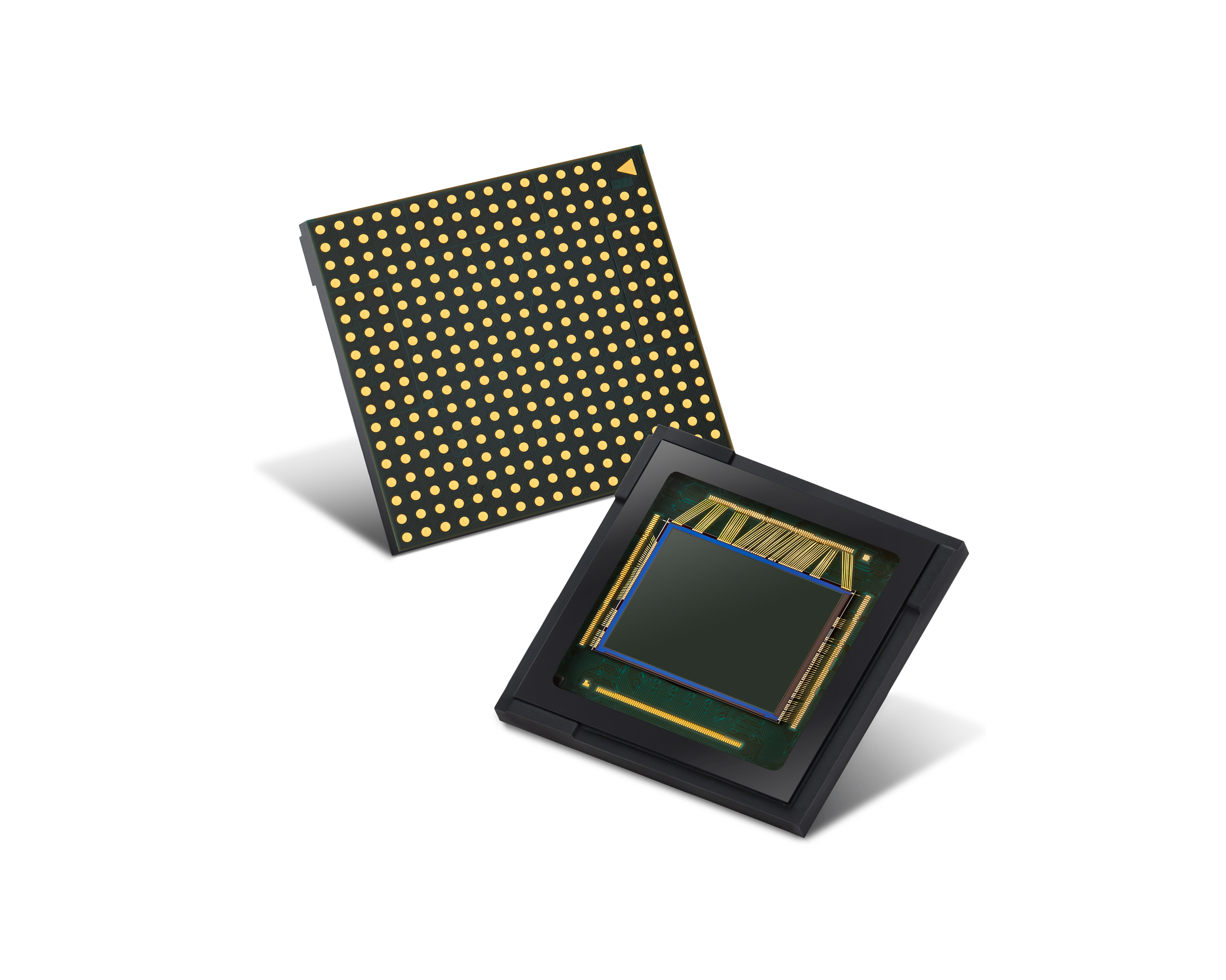
We had reported yesterday that Samsung could soon launch a new ISOCELL camera sensor with 50MP resolution and larger pixels. Today, the company has unveiled the ISOCELL GN1 camera sensor with larger pixels, faster autofocus mechanism, and support for 8K video recording.
The ISOCELL GN1 is a 1/1.3-inch camera sensor with a 50MP resolution. It is the company’s first image sensor to feature both dual-pixel autofocus and Tetracell (4-in1) pixel binning. Samsung says that the ISOCELL GN1’s native pixel size of 1.2μm can be turned into 2.4μm pixels using Tetracell technology for stellar low-light photos.
This new camera sensor features 100 million focus units (two agents in each pixel) for super-fast and reliable autofocus speed even in low-light conditions. Two photodiodes are placed side-by-side in each pixel, and both receive light from different angles, which is then used for phase-detection.
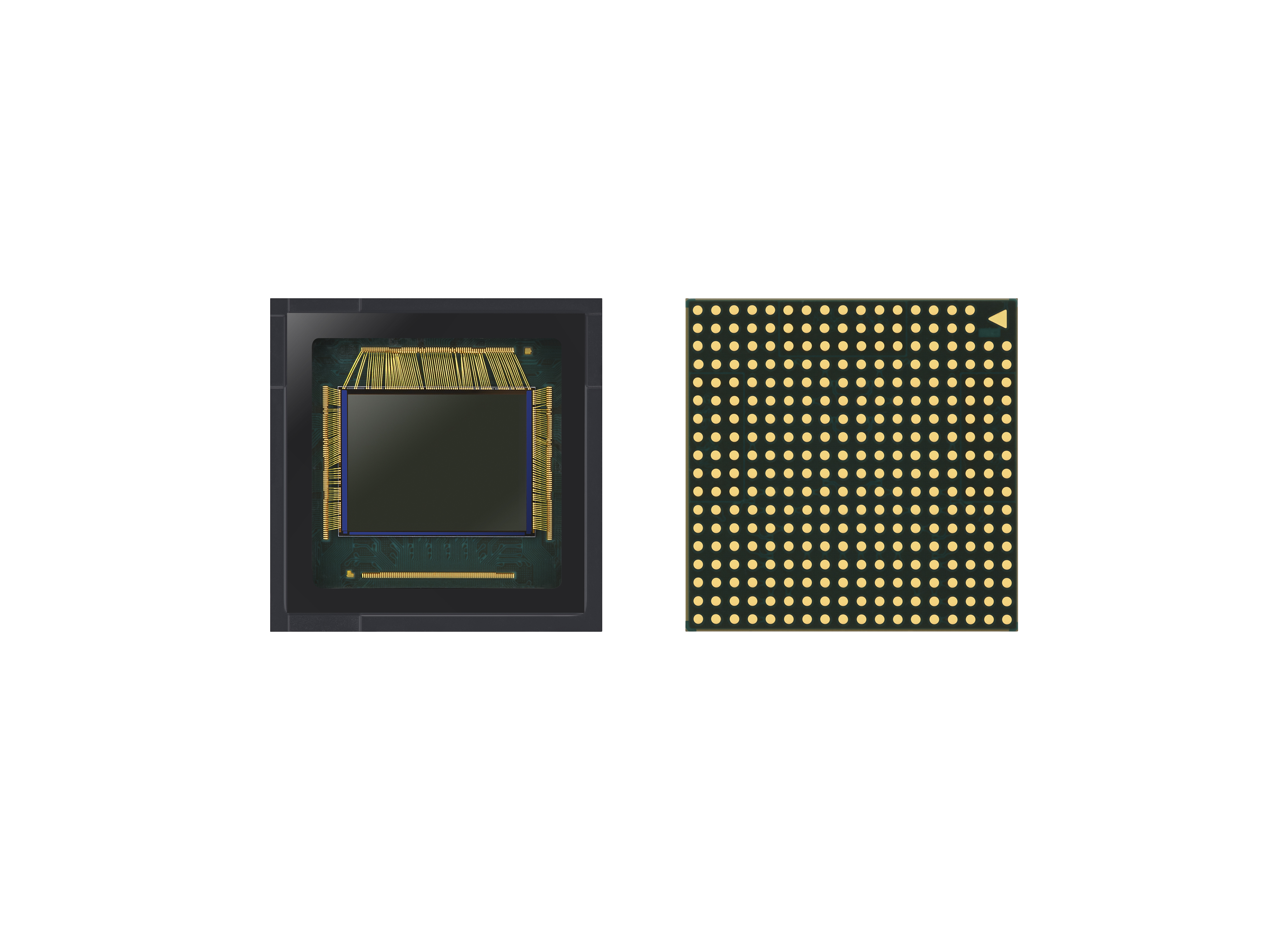
In the pixel-binning mode, the ISOCELL GN1 can capture 12.5MP still images with 2.4μm pixels for improved low-light photography. Samsung says that its algorithms also offer a mode that lets users capture 100MP images using the 50MP sensor. Other features of the new sensor include Smart ISO, gyro-based EIS, and up to 8K 30fps video recording. It can also record 1080p videos at 240fps (with autofocus) and 400fps (without autofocus).
Yongin Park, Executive Vice President of Sensor Business at Samsung Electronics, said, “With innovative pixel technologies, Samsung has been at the forefront of offering high-performance image sensors that closely cater to increasingly diversifying market needs. The ISOCELL GN1 is part of that commitment to deliver stunning images to consumers in any environment. We will continue to introduce image sensor solutions at the cutting-edge that will lead the next trends in mobile photography.”
The ISOCELL GN1 will go into mass production later this month, and we can expect new smartphones with the sensor later this year. It will compete with Sony’s IMX 689 and IMX700 sensors with similar features. The new 50MP sensor will first reportedly be used in a Vivo phone later this year. The company is also rumored to be working on 150MP, 250MP, and 600MP image sensors.
Samsung’s smartphone business to benefit from Huawei’s ban by the US
Samsung is still the world’s largest smartphone vendor, according to the latest market research numbers. However, it was facing fierce competition from the second-largest smartphone brand, Huawei. A few days ago, the US extended its ban on Huawei and its subsidiaries over fears related to data security. This decision will likely prove to be a booster for Samsung’s smartphone business.
Analysts and industry insiders say that the ban on the Chinese tech giant will help Samsung recover from the COVID-19 slump sooner than expected. Since Huawei can’t use Google apps on its smartphones, and probably won’t be able to get a supply of SoCs from TSMC, it won’t be able to sell smartphones outside of China. Samsung can gain market share from Huawei in Europe as the Chinese brand was its direct competitor.
Huawei was barred by the US from using GMS (Google Mobile Services) on its new smartphones since 2019, which resulted in a drop in sales. However, the fall will be even higher this year as the company won’t be able to produce smartphones without processors from firms like TSMC. This will definitely boost Samsung’s presence in Europe and the UK.
Lee Kyu-ha, Analyst at NH Investment & Securities, said, “Last year, Huawei’s market share went down because it could not use Google Mobile Services on its products amid the U.S-China trade war, but this time, it might face a production problem. As Huawei sees damage, Samsung’s smartphone business can expand.”
While sanctions against Huawei is excellent news for Samsung’s smartphone business, it could hurt the company’s chipset and display businesses. Samsung Display supplies OLED screens for Huawei phones, while the chipset business was poised to become a 5G modem supplier for Huawei’s entry-level and mid-range smartphones. Samsung also sells camera sensors for some Huawei and Honor phones.
Samsung’s smartphone business to benefit from Huawei’s ban by the US
Samsung is still the world’s largest smartphone vendor, according to the latest market research numbers. However, it was facing fierce competition from the second-largest smartphone brand, Huawei. A few days ago, the US extended its ban on Huawei and its subsidiaries over fears related to data security. This decision will likely prove to be a booster for Samsung’s smartphone business.
Analysts and industry insiders say that the ban on the Chinese tech giant will help Samsung recover from the COVID-19 slump sooner than expected. Since Huawei can’t use Google apps on its smartphones, and probably won’t be able to get a supply of SoCs from TSMC, it won’t be able to sell smartphones outside of China. Samsung can gain market share from Huawei in Europe as the Chinese brand was its direct competitor.
Huawei was barred by the US from using GMS (Google Mobile Services) on its new smartphones since 2019, which resulted in a drop in sales. However, the fall will be even higher this year as the company won’t be able to produce smartphones without processors from firms like TSMC. This will definitely boost Samsung’s presence in Europe and the UK.
Lee Kyu-ha, Analyst at NH Investment & Securities, said, “Last year, Huawei’s market share went down because it could not use Google Mobile Services on its products amid the U.S-China trade war, but this time, it might face a production problem. As Huawei sees damage, Samsung’s smartphone business can expand.”
While sanctions against Huawei is excellent news for Samsung’s smartphone business, it could hurt the company’s chipset and display businesses. Samsung Display supplies OLED screens for Huawei phones, while the chipset business was poised to become a 5G modem supplier for Huawei’s entry-level and mid-range smartphones. Samsung also sells camera sensors for some Huawei and Honor phones.
Samsung’s royal line to end, chief vows in historic apology
Samsung Group Vice Chairman and de facto head, Lee Jae-yong, vowed to be the last leader in the company’s royal line which started with his grandfather, Lee Byung-chul. The pledge was made as part of a historic public apology televised out of Seoul earlier today.
The occasion marked Lee’s first official media appearance in half a decade. In the meantime, the business magnate lived through nearly a year of incarceration on charges of corruption, perjury, and embezzlement, was convicted to five years in prison, but managed to appeal his way to probation; only to have the Supreme Court return his bizarre case to its point of origin – the Seoul Central District Court.
Lee’s apology has been a long time coming seeing how it was requested by an independent committee monitoring Samsung’s corporate transparency compliance as part of the same judicial proceedings. Meaning, any degree of resistance toward that particular authority would have likely landed the 50-year-old back behind bars.
No (more) illegalities allowed at Samsung
“Samsung has failed to strictly comply with laws and ethics, and also has not done enough in communicating with society,” Lee said, adding that “I apologize for all of these.”
Long referred to as “the Crown Prince of Samsung” by Korean media, Lee’s Wednesday address ironically saw the heir apparent of Samsung pledge to end any notion of a familial succession line within the chaebol. The executive claimed he thought about doing so “for a long time” but never shared the idea publicly beforehand. While skeptics might doubt the credibility of that statement, the idea of Lee changing his mind about succession proceedings at Samsung at some point over the last several years isn’t too far out there.
After all, this whole mess started with Lee trying to fulfill his destiny after his father, the first heir to the corporate throne started 82 years ago, was reportedly left incapacitated by a heart attack in 2014. What followed was a series of backroom dealings that eventually resulted in a merger of two Samsung subsidiaries – Cheil Industries and Samsung C&T.
While the restructuring allowed Lee to consolidate power, it also came at the expense of the country’s largest pension fund – a major stakeholder in Cheil. The reason behind the fund’s baffling approval of the tie-up was pressure from former Korean president Park Geun-hye whose support was won through bribery and other acts of corruption, as government prosecutors successfully argued in the past.
The fallout from the ordeal was so great that it even landed President Park in prison. Lee today pledged there will be no (more) illegal dealings at Samsung moving forward, noting the compliance committee will remain operational following the conclusion of his retrial.
Samsung Electronics Membership program revamped with higher benefits
Samsung has announced that it has revamped the Samsung Electronics Membership program in South Korea, offering a new rating and wider benefits to its loyal customers. Since the membership’s launch in 2009, over 28 million people have been a part of it.
With the revamped membership, around 700,000 general members received the new ‘Star’ rating. These customers would now enjoy more benefits. The Star rating is for users who purchased KRW 3 million (around $2,400) worth of Samsung products or made more than three purchases over the past two years.
Samsung Electronics Membership brings more benefits to loyal customers in Korea
The Samsung Electronics Membership program now has four tiers: Royal Blue, Prestige, Star, and General Membership. The Royal Blue membership tier is for those who made more than KRW 15 million (around $12,200) worth o Samsung products in two years, while Prestige is for those who bought KRW 8 million (around $6,500) worth of products in two years.
The South Korean firm has also added a Blue Package service that provides benefits from affiliates according to a customer’s lifestyle, and culture, leisure, and sports. Customers can enjoy home games between Samsung Lions and Suwon Samsung Bluewings. They also get to access premium knowledge content from ‘SERI CEO’ and discounted access at Leeum and Hoam Museums.
The company is offering special benefits to prospective newlyweds, such as free membership service for ACs, air dressers, dryers, electric cooking ranges, refrigerators, vacuum cleaners, and washing machines. They can get extended warranties of up to three years. You can read more about Samsung Electronics Membership for the South Korean market here.
Yoon Tae-Sik, MD of Samsung Electronics Korea, said, “We prepared a variety of life services that can be enjoyed in everyday life according to the lifestyle of various customer bases. We will continue to listen to customers’ opinions and repay them with more advanced services.“
Huawei got banned in the US again and that’s great for Samsung
Samsung has long been the top smartphone vendor in the world but it was facing intense competition from Huawei. The Chinese telecommunications giant had a stated goal of overtaking Samsung to become the world’s top smartphone vendor. The inability to break into the United States was one of the major reasons why Huawei couldn’t exhibit the same growth in North America as it did elsewhere.
Just as it seemed that Huawei would finally catch a break, it got banned in the US last year. Naturally, its competitors rejoiced, and with Huawei’s troubles mounting, there’s another golden opportunity for Samsung to capitalize on.
The Trump administration put Huawei on an export blacklist in May last year, essentially banning the company from importing any hardware into the United States. It was said that this decision was made due to national security concerns. The US Commerce Department also added Huawei to an Entity List, which banned companies in the United States from doing business with it.
This put Huawei in a tough spot since it couldn’t work with suppliers in the United States. This also meant that Huawei’s access to Google’s software and services was limited, putting it in a tough position since it only sells Android-powered smartphones. Good luck trying to sell phones outside China that don’t have access to Google’s services like Gmail and YouTube.
Some might have expected that Huawei would be freed of this ban during these uncertain times, but evidently, the administration wants to maintain pressure on the company. President Trump has extended the ban on Huawei for one full year until May 2021.
Huawei’s network solutions business has already been feeling the pinch as the United States has not allowed carriers in the country to use its 5G equipment. It has even pressed on allies to shun Huawei’s equipment. As one of the largest suppliers of 5G networking equipment, Samsung has benefited from Huawei’s weak position in the market.
The extension of this ban also plays nicely into Samsung’s hands. Huawei has already had to release two flagships without the Google Play Store and any of Google’s native apps. They understandably didn’t sell as well as the company might have hoped. Having access to Google’s services meant it could remain competitive outside North America, where it couldn’t compete with Samsung in the first place, but that’s no longer possible.
Huawei has been talking about building an alternative to Android and while it may continue to work on such efforts, it’s not going to be something that has the kind of familiarity among customers or the sheer developer support that Android does. So that strategy would work in China but phones that don’t run Android OS would likely not do very well outside Huawei’s home country.
The launch of Huawei’s first foldable smartphone was also impacted by the ban and this allowed Samsung to position itself as a market leader in this niche despite the Galaxy Fold’s initial stumbles. Samsung has already launched two foldable smartphones and is well on its way to launch another by August this year.
Seeing how rapidly Huawei was catching up to Samsung in terms of numbers of units shipped, the ban last year gave Samsung a leg up on one of its biggest rivals. With the ban being extended one full year, Samsung gets some much-needed breathing space in these very uncertain times.
The ongoing COVID19 pandemic is surely going to have a negative impact on smartphone demand, which means there will be fewer customers buying fewer handsets. With the size of the overall pie shrinking, Samsung wouldn’t mind not having to actively compete with one of its biggest rivals.
Samsung’s launch event for the Galaxy S20 took place before COVID19 was declared a pandemic. The subsequent lockdowns across the globe in the weeks that followed prevented its rivals from conducting their flagship product launches. MWC 2020 in Barcelona was also canceled, the event where many of its Chinese competitors would have launched new products.
That being said, the Galaxy S20 isn’t performing as well in the market as Samsung would have hoped. There are some genuine concerns about the device that are hindering its sales. The biggest reason is the resulting economic devastation that the pandemic has caused. Millions of people are out of work across the globe which means that they’re no longer in a position to scratch their itch of buying the latest flagship. Analysts now expect that the Galaxy S20 lineup will not be able to outsell the Galaxy S10.
Huawei would have certainly tried to outdo the Galaxy S20 lineup and comparisons between the two flagships would inevitably have been made. The extension of this ban on Huawei protects Samsung from losing some of its potential customers to Huawei, particularly if the blogosphere ended up agreeing that Huawei’s flagship device was superior to the Galaxy S20.
The stars have aligned nicely for Samsung and the company will certainly do everything it can to create more of a gap between itself and Huawei. It will also relish the ability to challenge Huawei in the mid-tier segment of the market, where its Galaxy smartphones have often struggled to hold their own against the Chinese behemoth’s devices.
What other advantages could Samsung gain from Huawei’s ongoing troubles? Share your thoughts with us in the comments below.
New Galaxy A phones could get Optical Image Stabilization soon
OIS or Optical Image Stabilization functionality isn’t something that you’d find on affordable devices. As competition in this segment of the market heats up, Samsung is looking to make its Galaxy A series of affordable devices stand out of the crowd.
A new report claims that Samsung is going to bring Optical Image Stabilization to the new Galaxy A phones that it releases in the second half of this year. This functionality has so far been limited to Samsung’s flagship smartphones only.
New Galaxy A phones to get OIS this year
An Optical Image Stabilization system utilizes hardware and software processing to reduce blur. The result is that your photos and videos turn out sharper as the camera system. The lens element inside the camera moves to counteract wobbling caused by holding the phone in your hand.
Moreover, since image sensors in smartphones are smaller, they tend to use exposure times in low light conditions to get enough light in the scene. This can also result in blurry images and OIS can help reduce that effect.
You’ve already taken advantage of this feature if you’ve owned devices like the Galaxy S7, Galaxy Note 10, or the Galaxy S20, all of which come with OIS. That hasn’t been the case for Samsung’s revamped Galaxy A lineup which came out a couple of years ago, though, but it may be about to change.
A report out of South Korea claims that Samsung is thinking about bringing Optical Image Stabilization to some of its Galaxy A handsets in the second half of this year. It likely held off on this previously because the added cost of OIS components would reduce its margins on devices that are already very competitively priced.
It’s safe to say that we may only get OIS on the more premium Galaxy A models as opposed to something like the Galaxy A11. The addition of OIS would certainly help these devices stand out from the competition. Providing great camera functionality is one of the foundations of the Galaxy A series, so it’s quite possible that this may end up happening.
[Poll] Do you agree that Samsung’s next flagship tablet should be water-resistant?
A shortcoming we pointed out in our Galaxy Tab S6 review, we feel that it’s about time that Samsung’s flagship tablets had an IP rating for dust and water resistance. Many of its flagship and mid-range smartphones already do, but the same does not hold true for its tablets.
Wouldn’t you like to use your tablet when you’re mindlessly floating in the pool? Or to not have that fear of dropping it when you’re using it in the bath? You wouldn’t know how much you’ve missed having this feature on a tablet once you start to take advantage of its benefits.
That can only be possible if Samsung decides to opt for an IP certification for its next flagship tablet, which is currently in development and may be launched as the Galaxy Tab S7 or Galaxy Tab S20.
In addition to providing additional value to customers, this functionality will also enable Samsung to get a leg up on the competition. Tablets generally don’t have an IP rating and that holds true for the Apple iPad as well. If Samsung were to lead the charge with this, it just might give a lot of people a reason to pick up a flagship Galaxy tablet instead.
What do you think about this? Vote below and share your thoughts with us in the comments.
Do you agree that Samsung's next flagship tablet should be water-resistant?
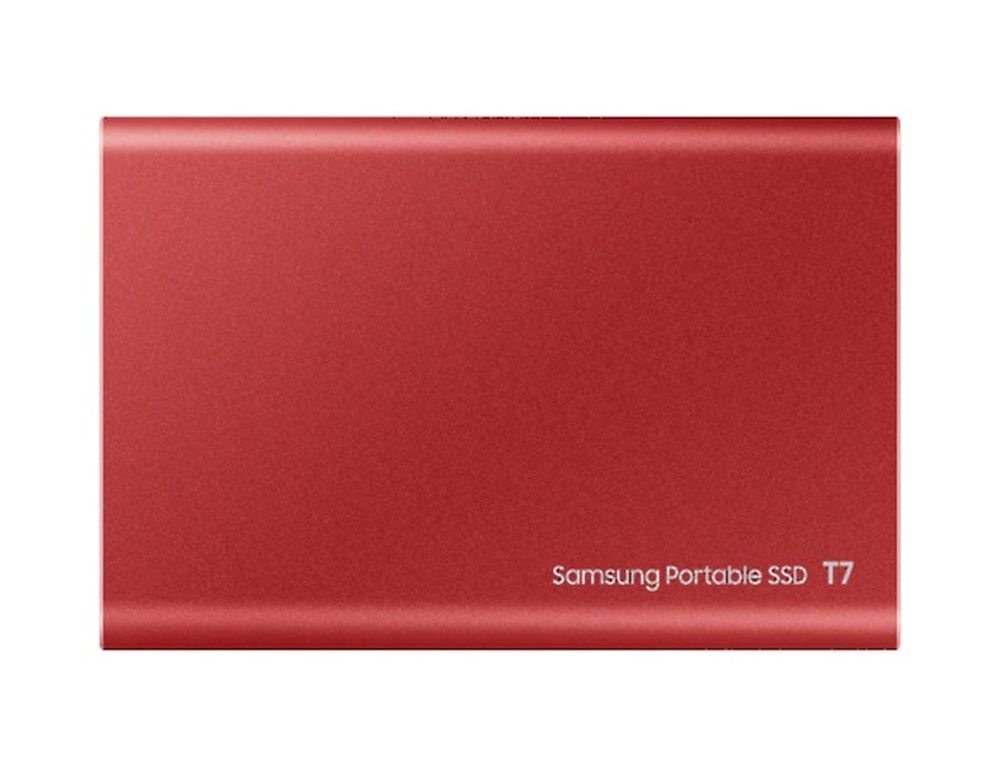
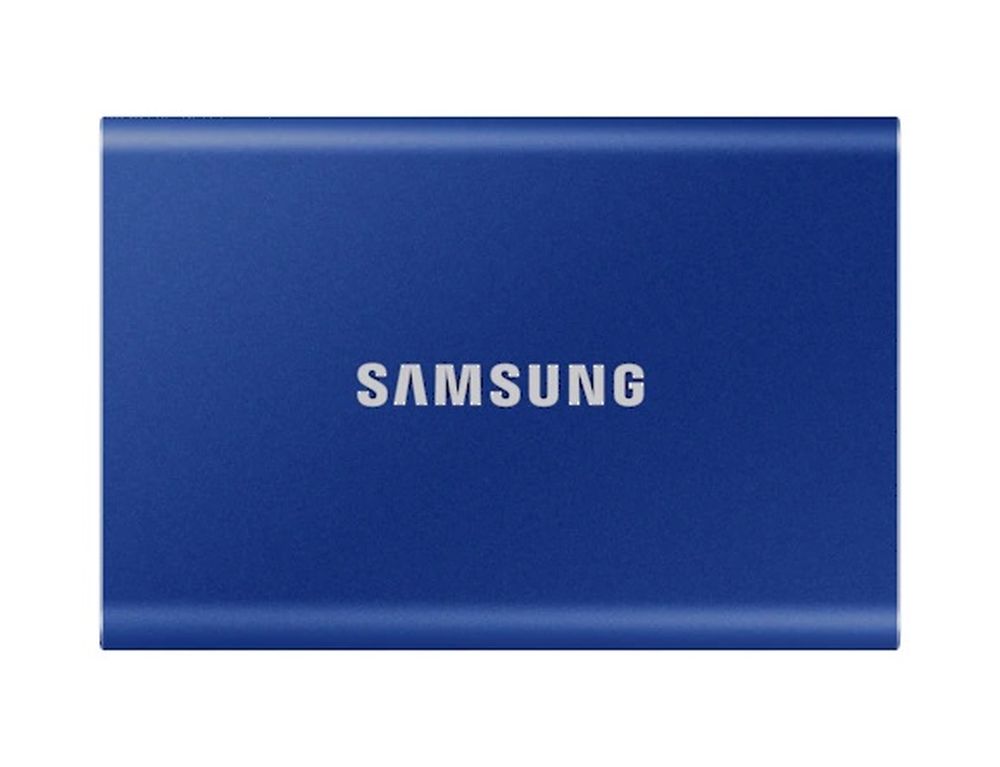
Portable SSD T7 available in the USA for prices lower than the T7 Touch
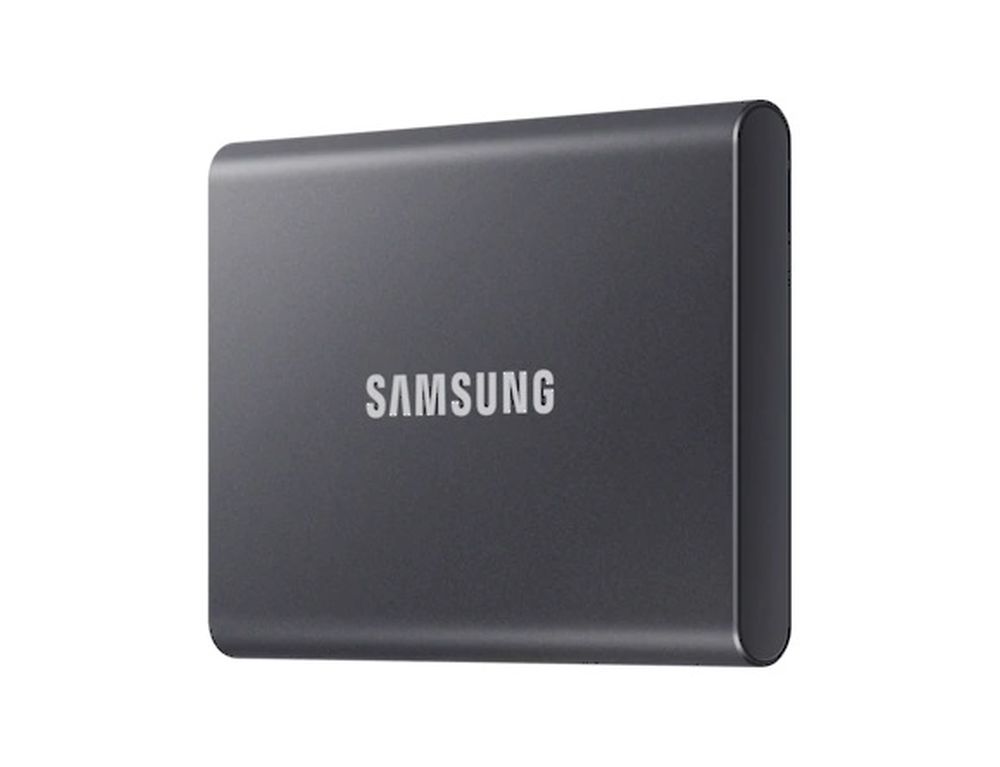
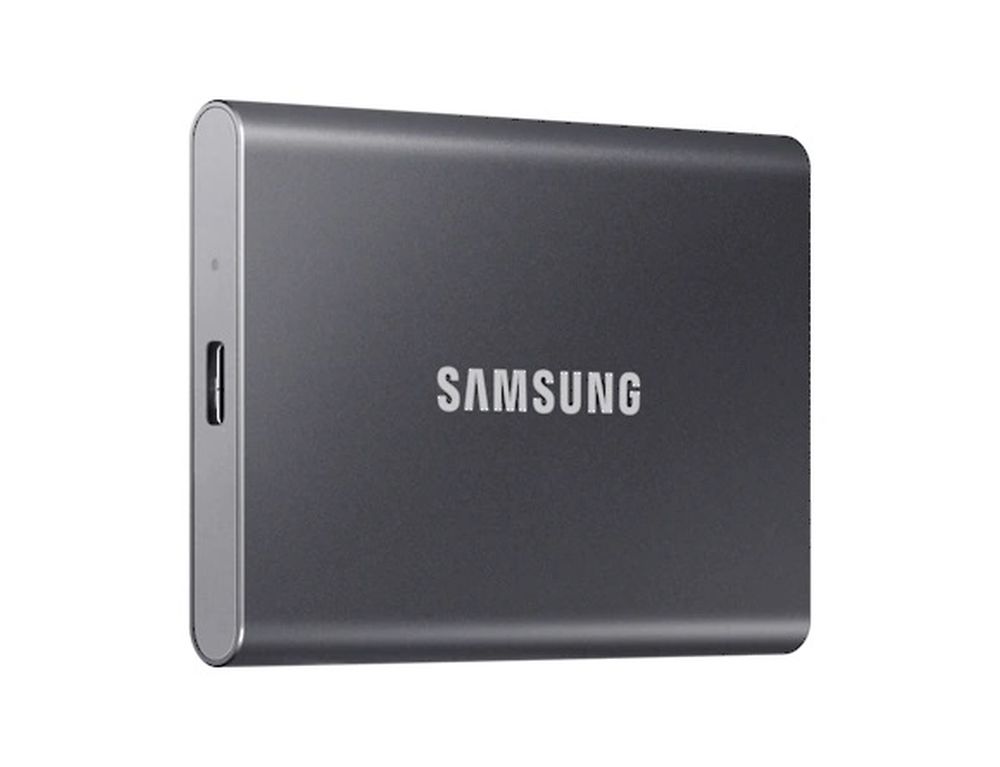
After being released on pre-order terms in Germany last week, the Samsung Portable SSD T7 is now available in the USA in all three storage configurations and color options. As mentioned before, the Portable SSD T7 is identical to the Portable SSD T7 Touch, except is comes in different colors and it lacks a fingerprint sensor. The launch prices in the USA actually make more sense than they do in Germany, and buyers can save a couple tens of dollars even at a time when the T7 Touch is available at a discount.
The Portable SSD T7 with 512GB, 1TB, and 2TB of storage costs $109.99, $199.99, and $369.99, respectively. In contrast, the variant equipped with a fingerprint sensor costs $119.99, $219.99, and $379.99 with promotional discounts of $10/$20 in tow. The touch-less version is available in Metallic Red, Indigo Blue, and Titan Grey.
The Portable SSD T7 is roughly 2x faster than the T5
Samsung’s latest external SSD solution can achieve a read speed of 1,050MB/s and a write speed of 1,000MB/s over USB 3.2 Gen 2 with UASP mode enabled. Your personal data is protected thanks to AES 256-bit hardware data encryption, while the hardware itself is protected by a shock-resistant aluminum case. The device ships with two cables: a USB Type-C-to-C and a USB Type-C-to-A.
- Buy the 512GB Portable SSD T7 from Samsung USA
- Buy the 1TB Portable SSD T7 from Samsung USA
- Buy the 2TB Portable SSD T7 from Samsung USA
Tuesday, April 3, 2018
IPHONE ICLOUD THEFT
How thieves are cloning your iPhone online, the NEW iCloud Scam
iCloud Removal is without a doubt one of the biggest scams online
and the thieves claiming to provide these services know this. They also
know you are desperate to remove iCloud. That is why this so-called
service has attracted so much attention by would-be buyers online. If
you were to do a search online right now, you would see dozens of
websites on the internet that claim that they can remove iCloud. I am
here to tell you that they cannot. Phonlab has spearheaded this research
since 2016 and we have learned a lot about what worked in the past, and
why it no longer works, and will never work again. If you have any
doubt, just watch our YouTube video Here.
These scammers take advantage of a plethora of misinformation online
that is designed to confuse you, so that they can make money. That being
said, there is always the possibility of removing any type of security
on any smartphone or tablet. But when you're dealing with something that
is stored on the server, it may be time to accept the fact that you
will never be able to use that device again, unless you can get the
account holder to remove the Apple ID from that device. That is close to
impossible unless you are email phishing. Email phishing is not a true
hack, but it is deception and fraud, and it’s illegal. So the next time
you read an ad online that says “iCloud Removal, Guaranteed 24-48 hours
Clean or Lost”, that is a classic example of someone who has access to
find Apple ID information, and they are attempting to email phish those
account holders credentials by email online.
Recent Scams Online
The latest scam that we found involves something much more complex. We ran into this during research and testing. It is called IMEI Poaching. Here is how it works. The thieves set up a website that claims to be able to provide you with accurate information on the status of an Apple device like an iPhone or iPad that you may be interested in purchasing. You basically submit that IMEI and the serial number of the device that you have, in hopes that you have a clean device. Let me explain. A clean IMEI and serial number is one that has not been reported lost or stolen to Apple through the FMI or “Find my iPhone” feature which allows an owner to remotely lock the device and track it, if they lose the device or it is stolen. It also has no iCloud account associated with it. Any such account has been signed out and removed from that device.
If you're an unsuspecting consumer online, you may be looking for a legitimate website that can provide you with the status of the device you're purchasing. Since Apple has closed down its original website to check that status, your search online could take you to one of many websites online that are designed to hijack that IMEI and serial number for cloning purposes.
The reason we know this that we have seen and even verified that the device will re-lock with a new Apple ID once you give up that information online. This situation allows the thief to identify good devices online by tricking you into giving up the device information (IMEI / Serial No.). How did Apple finally figure this out? Imagine you're at the Apple store buying a brand new iPhone or iPad. Then during the account setup in the store, the device is already locked. Yes it did happen. It happened so much that Apple finally realized the breach and had to pull the plug on the activation lock website.
Apple’s Dirty Little Secret
Let’s back up for a moment. In early 2017, Apple suffered an embarrassing breach into their security and exposed millions of user account IMEI and serial numbers online. At the time the iCloud.com/activationlock website was a place where you could go to verify the IMEI of a particular device like an iPhone if you were to buy it second hand online or in person. The problem was this online data base contained every IMEI and serial number that Apple had produced.
This breach allowed the thieves to figure out which IMEI numbers were good or not and build a database of good devices that they could clone. So even if the website was taken down they still have a cache of collected website data that they can use. How do we know this? Take a look at the website www.Ifreeicloud.co.uk we located, It is the cached replicated website of the old Apple activation lock website. Back around the time of the activation lock website breach, a YouTube video surfaced online which showed an Apple A9 chip being removed from an iPad. That chip had the old information removed using a tool that was created by a company called “REWA Technologies” out of China. (You can check out that video HERE ). This tool basically removed the old IMEI and serial number from the iPad and replaced it with a good one that was verified and taken off the Apple Activation lock website. Once Apple found out about this, they removed the website without announcing it.
How to Protect your Device Online
Okay, now that you have a good understanding, what can you do to protect yourself? That is really simple: never under any circumstances share your IMEI or serial number of your iDevice online for any reason. It doesn’t have to be for activation lock verification. The thieves could dupe you in many ways to get you to reveal your information. The important thing to know is that you have only one option now, and that is to visit an Apple Store and have that information verified by an Apple employee. Or if you're buying or selling online, you have to establish some trust, and yes take a little risk.
You have to be proactive online and protect your or your customers' investment, because if you ever try to buy or sell a device, you will have to give that information for a check, unless you believe that the device you're buying is clear, or they believe you. It doesn’t give you a lot of comfort knowing this, but knowing that you could face a situation that could turn out to be a disaster, helps a little.
Time is on your side
The good thing is that cloning an Apple chip is not something that is very easy; not many people can successfully remove that chip and replace it. There may also be some problems with any cloned device, too: when you open any iPhone or iPad it sets off certain alarms. Let me explain. When you have your iPhone display replaced, even if it were a perfect replacement, the Apple store would know that the device was tampered with. How you may ask?
Apple has software programs similar to Purple Restore that let the Apple employee know that the device has been opened. If they do not have an Apple service history of that device, the warranty would be void. We have also seen through several third-party repairs or services, like iOS updates, failing too, though we have never verified if IMEI Cloning has found a way around this.
A Final Word
Since the debut of iPhone, there have been attempts to bypass and remove security, whether it is a jailbreak or iCloud removal. The desire to get into the world's premiere smartphone will always attract legitimate hackers and thieves alike, but know this: Apple is relying on security that is stored on a server that you will never have access to. It is not located on the device. And as I said earlier, it may be time to accept certain realities: Apple security is just that good, so the next time you look for iCloud removal online and you see a website that is claiming to remove iCloud remember these two things, they are either phishing the account holders credentials or they are phishing your device information, it's that simple.
Recent Scams Online
The latest scam that we found involves something much more complex. We ran into this during research and testing. It is called IMEI Poaching. Here is how it works. The thieves set up a website that claims to be able to provide you with accurate information on the status of an Apple device like an iPhone or iPad that you may be interested in purchasing. You basically submit that IMEI and the serial number of the device that you have, in hopes that you have a clean device. Let me explain. A clean IMEI and serial number is one that has not been reported lost or stolen to Apple through the FMI or “Find my iPhone” feature which allows an owner to remotely lock the device and track it, if they lose the device or it is stolen. It also has no iCloud account associated with it. Any such account has been signed out and removed from that device.
If you're an unsuspecting consumer online, you may be looking for a legitimate website that can provide you with the status of the device you're purchasing. Since Apple has closed down its original website to check that status, your search online could take you to one of many websites online that are designed to hijack that IMEI and serial number for cloning purposes.
The reason we know this that we have seen and even verified that the device will re-lock with a new Apple ID once you give up that information online. This situation allows the thief to identify good devices online by tricking you into giving up the device information (IMEI / Serial No.). How did Apple finally figure this out? Imagine you're at the Apple store buying a brand new iPhone or iPad. Then during the account setup in the store, the device is already locked. Yes it did happen. It happened so much that Apple finally realized the breach and had to pull the plug on the activation lock website.
Apple’s Dirty Little Secret
Let’s back up for a moment. In early 2017, Apple suffered an embarrassing breach into their security and exposed millions of user account IMEI and serial numbers online. At the time the iCloud.com/activationlock website was a place where you could go to verify the IMEI of a particular device like an iPhone if you were to buy it second hand online or in person. The problem was this online data base contained every IMEI and serial number that Apple had produced.
This breach allowed the thieves to figure out which IMEI numbers were good or not and build a database of good devices that they could clone. So even if the website was taken down they still have a cache of collected website data that they can use. How do we know this? Take a look at the website www.Ifreeicloud.co.uk we located, It is the cached replicated website of the old Apple activation lock website. Back around the time of the activation lock website breach, a YouTube video surfaced online which showed an Apple A9 chip being removed from an iPad. That chip had the old information removed using a tool that was created by a company called “REWA Technologies” out of China. (You can check out that video HERE ). This tool basically removed the old IMEI and serial number from the iPad and replaced it with a good one that was verified and taken off the Apple Activation lock website. Once Apple found out about this, they removed the website without announcing it.
How to Protect your Device Online
Okay, now that you have a good understanding, what can you do to protect yourself? That is really simple: never under any circumstances share your IMEI or serial number of your iDevice online for any reason. It doesn’t have to be for activation lock verification. The thieves could dupe you in many ways to get you to reveal your information. The important thing to know is that you have only one option now, and that is to visit an Apple Store and have that information verified by an Apple employee. Or if you're buying or selling online, you have to establish some trust, and yes take a little risk.
You have to be proactive online and protect your or your customers' investment, because if you ever try to buy or sell a device, you will have to give that information for a check, unless you believe that the device you're buying is clear, or they believe you. It doesn’t give you a lot of comfort knowing this, but knowing that you could face a situation that could turn out to be a disaster, helps a little.
Time is on your side
The good thing is that cloning an Apple chip is not something that is very easy; not many people can successfully remove that chip and replace it. There may also be some problems with any cloned device, too: when you open any iPhone or iPad it sets off certain alarms. Let me explain. When you have your iPhone display replaced, even if it were a perfect replacement, the Apple store would know that the device was tampered with. How you may ask?
Apple has software programs similar to Purple Restore that let the Apple employee know that the device has been opened. If they do not have an Apple service history of that device, the warranty would be void. We have also seen through several third-party repairs or services, like iOS updates, failing too, though we have never verified if IMEI Cloning has found a way around this.
A Final Word
Since the debut of iPhone, there have been attempts to bypass and remove security, whether it is a jailbreak or iCloud removal. The desire to get into the world's premiere smartphone will always attract legitimate hackers and thieves alike, but know this: Apple is relying on security that is stored on a server that you will never have access to. It is not located on the device. And as I said earlier, it may be time to accept certain realities: Apple security is just that good, so the next time you look for iCloud removal online and you see a website that is claiming to remove iCloud remember these two things, they are either phishing the account holders credentials or they are phishing your device information, it's that simple.
Saturday, October 8, 2016
What if Hitler Developed Nuclear Weapons During World War II?

But what if the Germans had devoted more attention to the program, or had lucked into more substantial breakthroughs? What could the Nazis have done with an atomic weapon?
Context for Construction:
The American atomic weapons program cost an enormous amount of money, and took human capital away from other important projects. But the United States, unique among the great powers of World War II, believed that the war would last long enough to justify complex projects.
Germany did not have this luxury, especially after it became apparent that the Soviet Union would not collapse in 1941. For Germany to seriously consider taking the atomic plunge, it needed favorable war conditions that would allow the development of long-term research projects. In the event, jets, submarines, and rockets took up a greater portion of the Reich’s scarce engineering resources.
The German program faced other obstacles. Western Allied attacks on the German industrial economy took their toll, even if they could not push Germany out of the war. Sabotage, like the attacks on heavy water processing plants in Norway, also curtailed German progress. The nature of the Nazi regime also made scientific progress difficult. Many of the best nuclear scientists disliked the Nazis, and took steps to escape Europe. The Germans could not draw on Europe’s scientific expertise to the same extent as the Americans. Nevertheless, the Nazi regime did make substantial progress on a number of engineering frontiers, and could have developed a weapon in time.
Solving the basic theoretical and engineering problems wouldn’t have suddenly turned Germany into a major nuclear power, however. The German program concentrated on enriched uranium, a simpler project that eliminated some of the more tricky problems faced by the United States. However, the need for stocks of uranium (some of which had been seized from Belgium), and the extensive industrial complex needed to enrich, would have made it difficult for the Germans to produce a large number of devices.
Delivery:
Even if the Germans had managed to develop an atomic weapon, delivery would have been a problem. For tactical use against ground targets, the Wehrmacht could have engineered a way to deliver the devices, but anything at longer range would have been a struggle.
The Luftwaffe lacked an advanced heavy bomber capable of hitting targets in England or Russia, much less the United States. Designed to fight in support of the Wehrmacht, the German air force had toyed with the idea of heavy bombers in the 1930s, but concentrated on lighter, smaller planes as war approached. Surely, the German could have developed a strategic bomber given enough time; Junkers, Heinkel, and Focke Wulf all worked on large bomber projects during the war. But such aircraft were enormously complex and expensive, with long lead times. The B-29 program reputedly cost more than the atomic bomb itself, and even B-29s required modification in order to carry atomic weapons. The best candidate available to the Luftwaffe would have been the He 177, capable of carrying a device considerably smaller than the “Little Boy” bomb dropped on Hiroshima.
Could submarines have delivered the devices? Conceivably. A nuclear torpedo was probably beyond the means of the Kriegsmarine, but a submarine sufficiently close to its target could probably deliver the warhead in a small boat. But getting into position was no mean task; by 1943, Allied anti-submarine warfare was devastating Germany’s submarine fleet. Only the Type XXI submarines could have approached useful targets with any degree of certainty, and these boats did not appear until late in the war.
The V-2 ballistic missiles represented the most obvious potential delivery vehicles. They could deliver payloads at range, with little chance of interception, and with enough accuracy for an atomic warhead. However, V-2s had a startling launch failure rate, making them a sketchy option for an atomic payload. They also lacked the ability to carry heavy payloads; reducing a warhead to sufficiently small size, and reinforcing it such that it could handle the rigors of launch, flight, and separation, were tasks likely beyond Nazi Germany in any useful timeframe.
Use of the Weapon:
How would the Germans have used the atomic bomb, if they had managed to construct it? It depends, naturally, on Germany’s tactical situation when it developed the weapon, and on the delivery systems it had available.
Obvious strategic targets include London and Moscow, and the Luftwaffe could probably have delivered them successfully with a fair degree of confidence. An attack on either would have proved devastating. In the case of Moscow, a surprise strike that decapitated the Soviet leadership might have caused very serious problems, although the Red Army would undoubtedly have continued to fight. In the West, the V-2 campaign had a serious impact on British morale, and an atomic device would have had an even more devastating impact. It’s worth keeping in mind, however, that the Combined Bomber Offensive was delivering atomic levels of destruction to the Reich from 1943 on, and that this effort failed to force a German surrender. In any case, the center of gravity of the Western Allied war effort had passed to the other side of the Atlantic, and the United States was likely out of reach.
Subscribe to:
Posts (Atom)